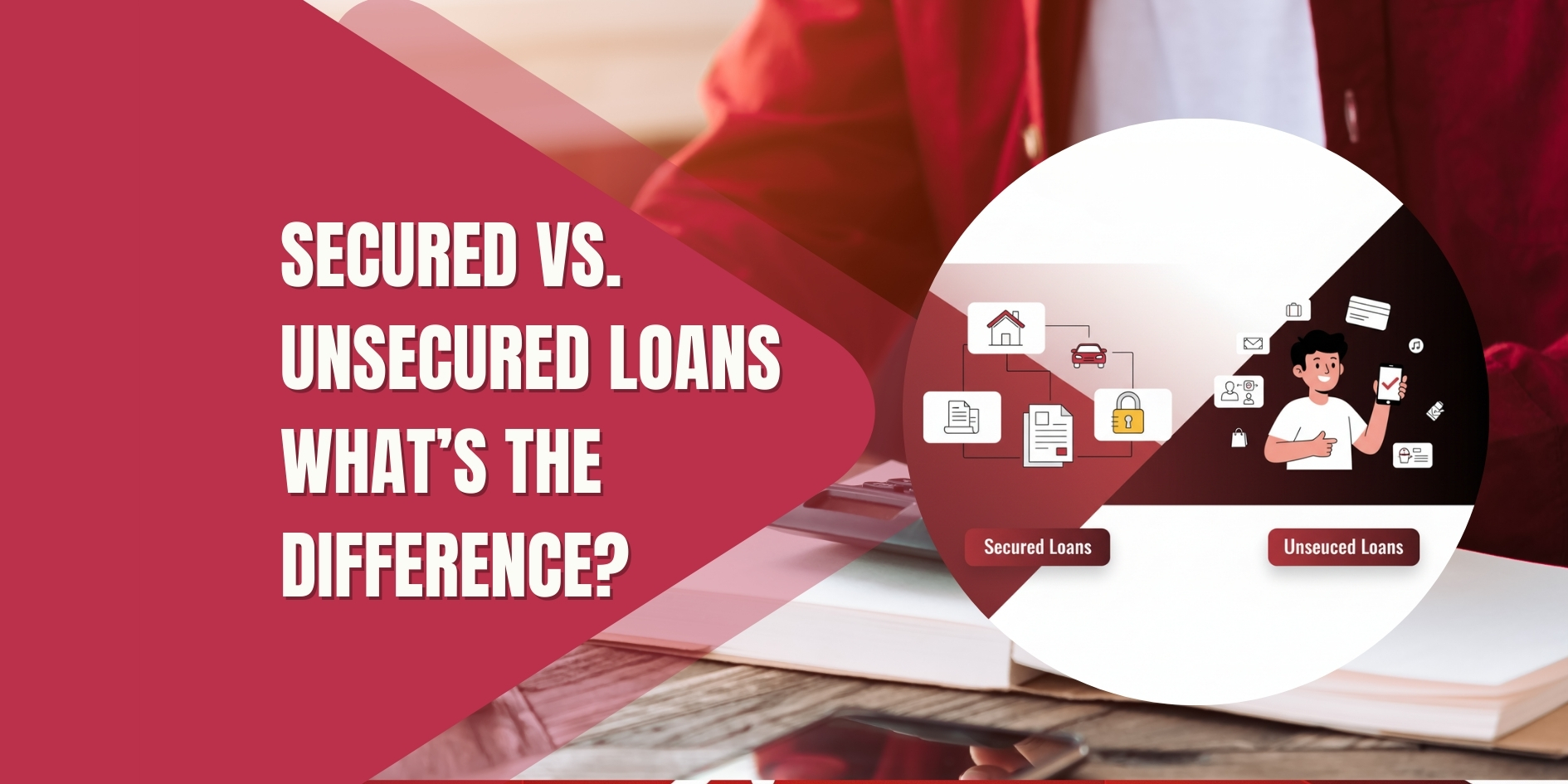
In 2026, loans are essential financial tools for individuals and businesses alike. However, choosing the right type of loan can significantly affect your financial stability. The two main categories are secured and unsecured loans. Understanding their differences, advantages, and disadvantages is crucial before borrowing. This guide will help you decide which option is better for your specific needs.
What is a Secured Loan?
A secured loan is backed by collateral such as property, vehicle, or fixed deposits. The lender has the right to seize the asset if the borrower fails to repay the loan. Secured loans are generally considered low-risk for lenders, which results in lower interest rates and higher loan amounts.
Key Features of Secured Loans
- Requires collateral
- Lower interest rates compared to unsecured loans
- Higher loan amounts available
- Longer repayment tenure
Examples of Secured Loans in 2026
| Loan Type | Collateral Required | Interest Rate (Approx) | Tenure |
|---|---|---|---|
| Home Loan | Residential property | 7% – 10% | 10–30 years |
| Car Loan | Vehicle | 8% – 12% | 3–7 years |
| Loan Against FD | Fixed Deposit | 6% – 8% | 1–5 years |
| Loan Against Property | Commercial/Residential | 7% – 11% | 5–20 years |
Secured loans are ideal for borrowers who need a large loan amount and can provide collateral. They are suitable for home buying, business expansion, or buying vehicles.
What is an Unsecured Loan?
An unsecured loan does not require collateral. Approval depends mainly on the borrower’s credit score, income, and repayment history. Because they are riskier for lenders, unsecured loans usually come with higher interest rates and lower loan amounts.
Key Features of Unsecured Loans
- No collateral required
- Higher interest rates compared to secured loans
- Faster approval process
- Loan amount depends on creditworthiness
Examples of Unsecured Loans in 2026
| Loan Type | Collateral Required | Interest Rate (Approx) | Tenure |
|---|---|---|---|
| Personal Loan | None | 10% – 24% | 1–5 years |
| Education Loan | None | 8% – 15% | 5–15 years |
| Credit Card Loan | None | 15% – 25% | Revolving |
| Instant Loan Apps | None | 12% – 24% | 1–3 years |
Unsecured loans are ideal for small to medium financial needs or emergencies, such as medical bills, travel expenses, or minor business investments.
Key Differences Between Secured and Unsecured Loans
| Feature | Secured Loan | Unsecured Loan |
|---|---|---|
| Collateral Requirement | Required | Not Required |
| Interest Rates | Lower (6% – 12%) | Higher (10% – 24%) |
| Loan Amount | Higher | Lower |
| Approval Time | Moderate to Long | Fast |
| Risk to Borrower | High if default (collateral loss) | No asset risk, but credit score affected |
Advantages of Secured Loans
- Lower interest rates make EMIs affordable
- Higher loan amounts available
- Longer repayment tenure reduces monthly burden
- Easier for borrowers with moderate credit scores to get approved
Disadvantages of Secured Loans
- Risk of losing collateral if unable to repay
- Longer approval process due to property verification
- Requires proper documentation for collateral
Advantages of Unsecured Loans
- Quick approval and disbursal
- No collateral required
- Flexible loan options through digital platforms
- Ideal for short-term financial needs or emergencies
Disadvantages of Unsecured Loans
- Higher interest rates increase total repayment
- Limited loan amount
- Credit score plays a major role in approval
- May include processing fees or hidden charges
How to Choose Between Secured and Unsecured Loans
When deciding between a secured or unsecured loan, consider the following factors:
- Loan Amount: For higher amounts, secured loans are better.
- Interest Rate: Secured loans usually offer lower rates.
- Urgency: If you need money immediately, unsecured loans provide faster approval.
- Risk Appetite: Secured loans carry the risk of losing collateral if payments are missed.
- Credit Score: Unsecured loans heavily depend on your credit history.
- Purpose of Loan: Secured loans are ideal for long-term investments, whereas unsecured loans are suitable for short-term financial needs.
Secured vs Unsecured Loan Examples in 2026
Example 1: Home Purchase
If you want to buy a house, a secured home loan is the best option because it allows a large loan amount at a lower interest rate with tax benefits.
Example 2: Medical Emergency
For sudden medical expenses, an unsecured personal loan or instant loan from a digital platform is preferable due to quick disbursal.
Example 3: Business Expansion
A secured loan against property or fixed deposit can provide the necessary capital at lower interest rates for business growth.
Example 4: Education Abroad
An unsecured education loan can help cover tuition and living expenses without collateral, provided the student has a co-applicant with good credit.
Important Considerations for 2026 Borrowers
- Compare interest rates across multiple lenders before applying
- Read the fine print for prepayment charges, late fees, and hidden costs
- Use online EMI calculators to plan your repayment schedule
- Check your credit score and maintain a good credit history
- Choose the loan type that aligns with your repayment capacity
Conclusion
Both secured and unsecured loans have their advantages and disadvantages in 2026. Secured loans are ideal for large financial needs and long-term investments due to lower interest rates and higher loan limits. Unsecured loans are suitable for emergencies or short-term requirements with faster approval and no collateral.
Understanding your financial goals, repayment ability, and risk tolerance is essential before selecting a loan type. Proper planning, lender comparison, and awareness of terms and conditions will ensure that you choose the best loan option and maintain financial stability.